If you’re planning to furnish an entire home, one of the first questions is usually also one of the hardest to answer:
How much should we actually budget?
The answer depends on the size of your home, the number of rooms you’re furnishing, the quality and customization of the pieces you select, and how complete you want each space to feel.
But there’s another reason whole-home furnishing budgets can be difficult to estimate: furniture is only part of the investment.
A truly finished home may also include rugs, lighting, window treatments, art, mirrors, pillows, accessories and other layers, plus the freight, receiving, delivery, assembly and installation required to get everything safely into place.
At Modern Interior Company, we think it’s more useful to understand the entire picture from the beginning than to start with an artificially low furniture number and encounter surprises later.
Here’s how we recommend thinking about a realistic whole-home furnishing budget.
Start With the Room, Not the Sofa
It’s easy to estimate a living room by looking at the price of a sofa.
But a sofa isn’t a living room.
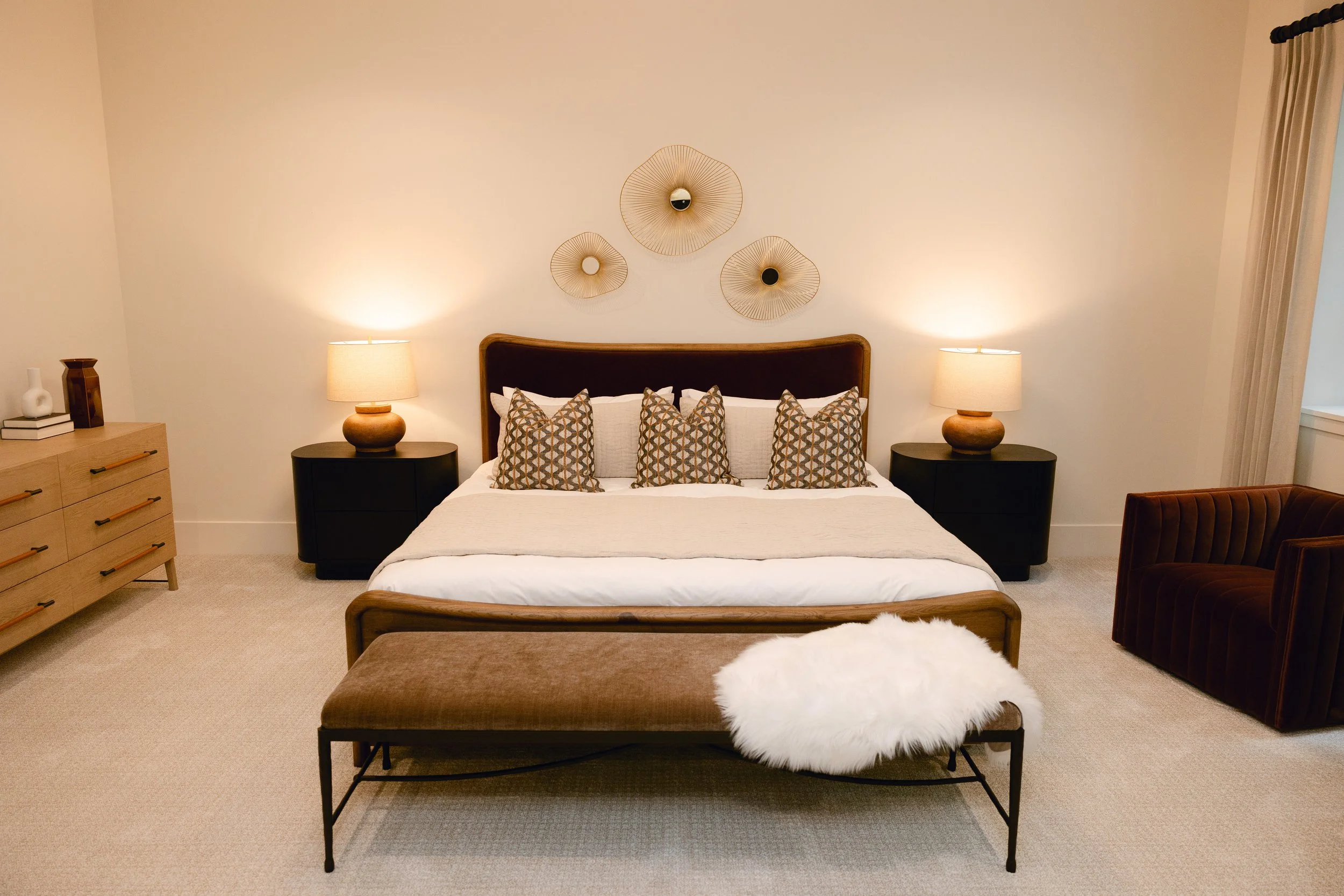
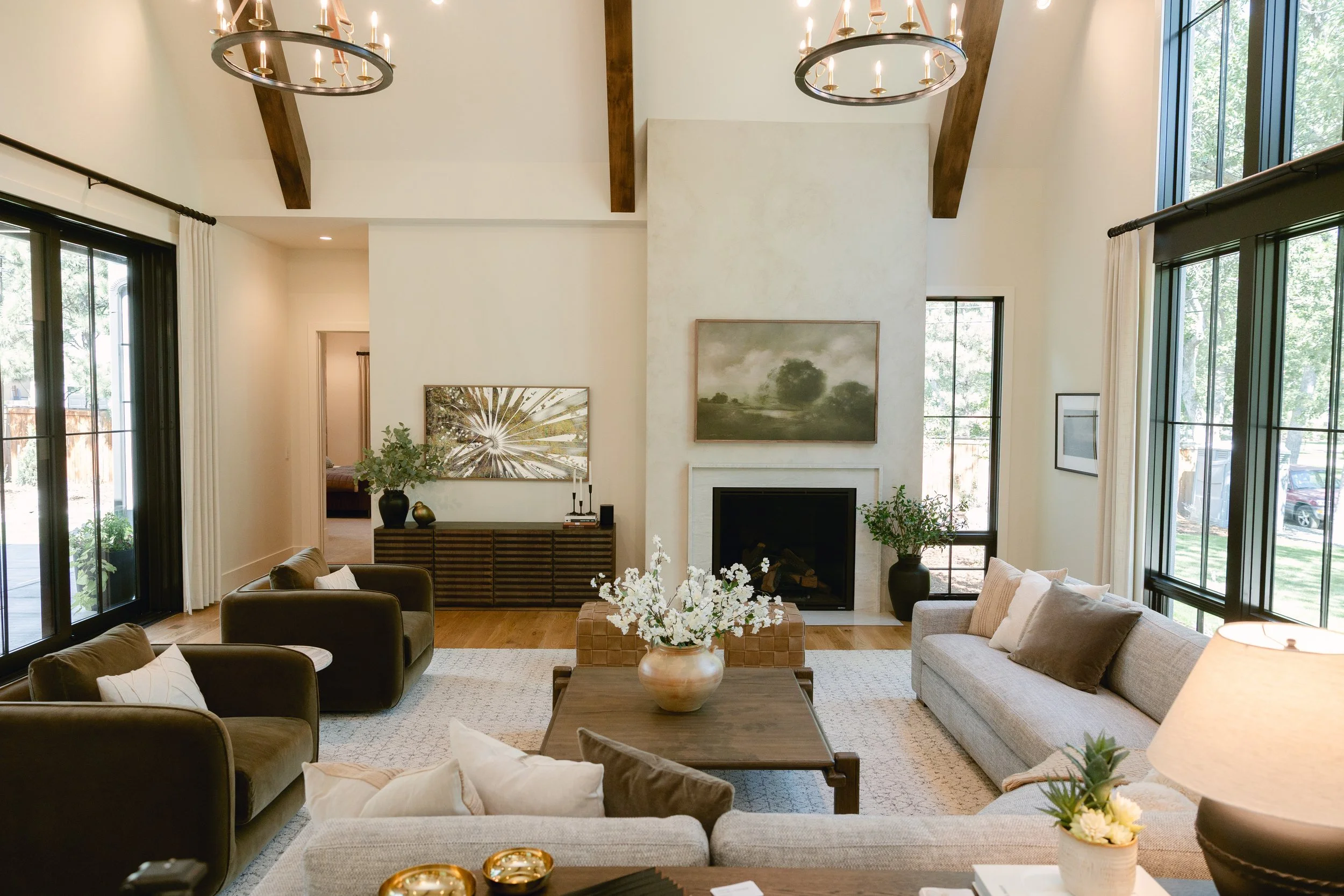
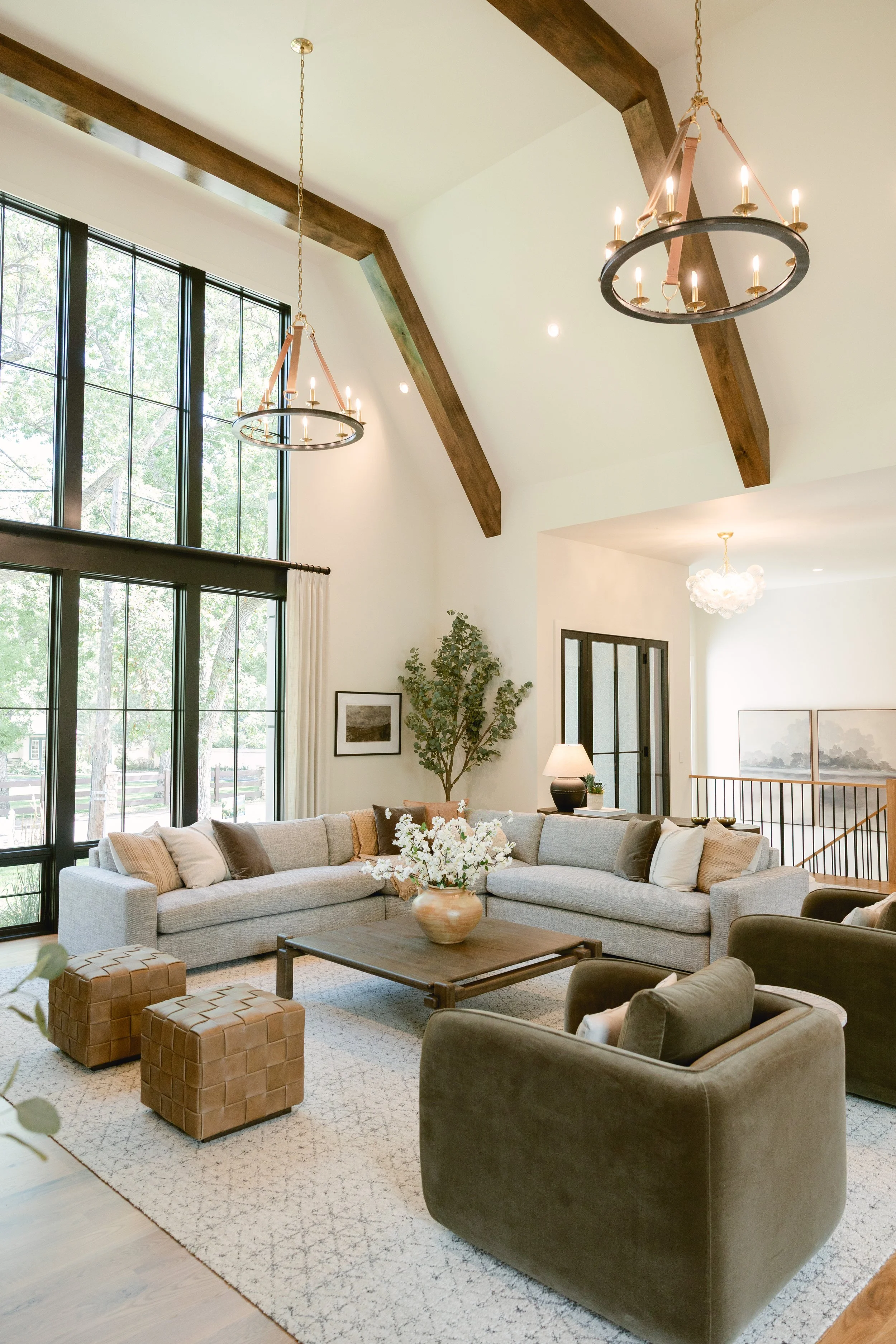
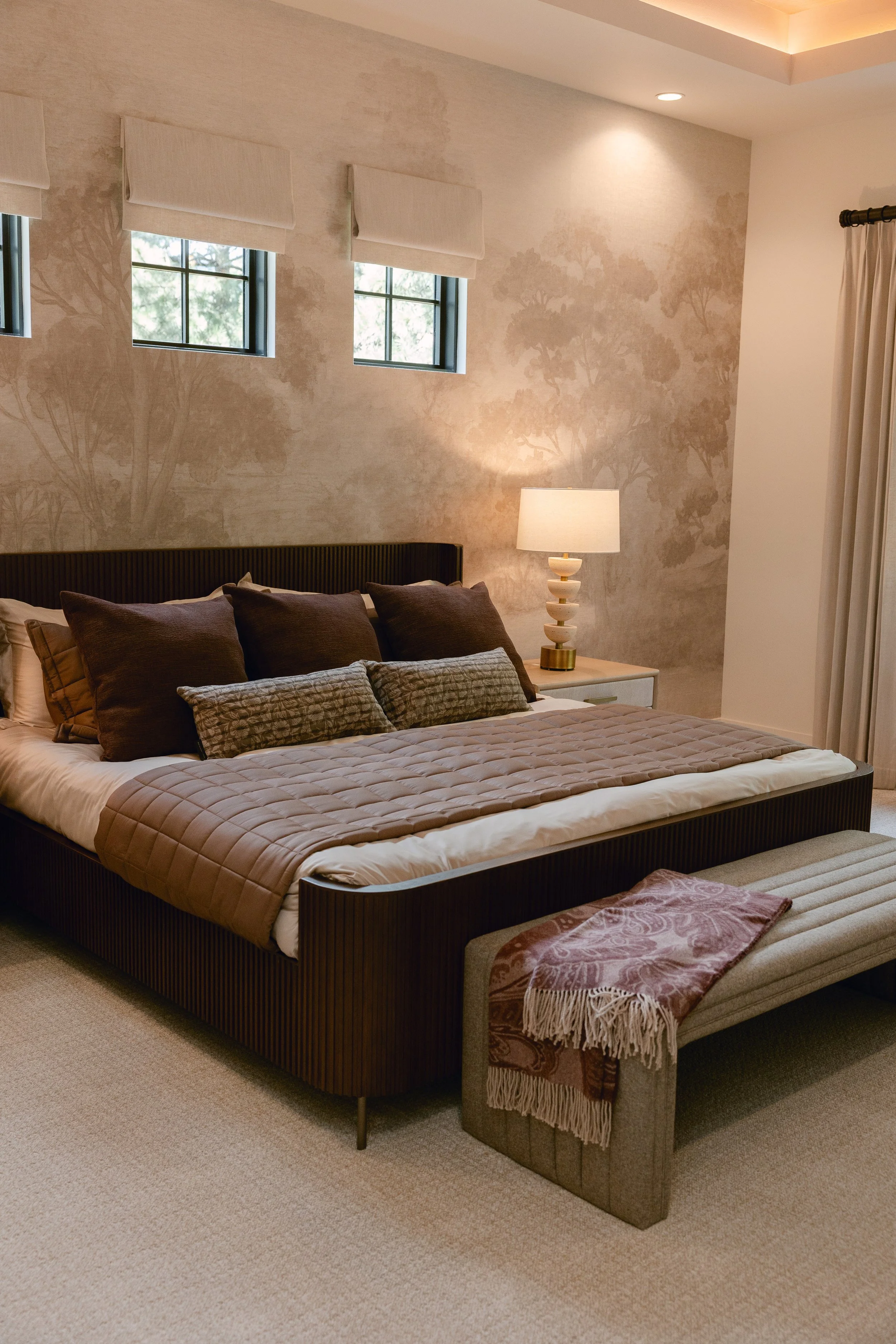
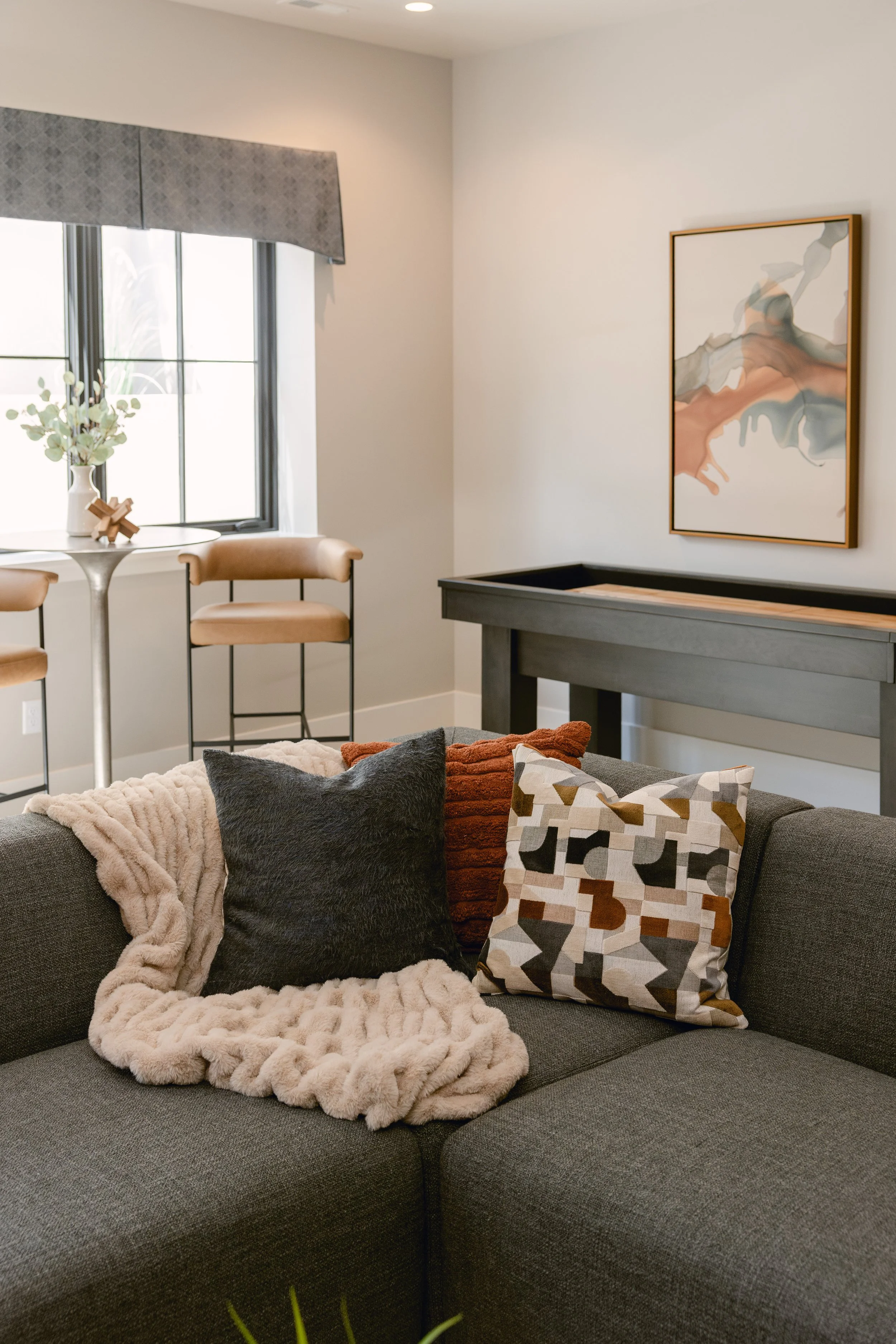
A complete living room might include a sofa, chairs, occasional tables, a rug, lighting, window treatments, artwork, pillows and accessories. Depending on the space, it may also require custom pieces or additional seating.
The same principle applies throughout the house.
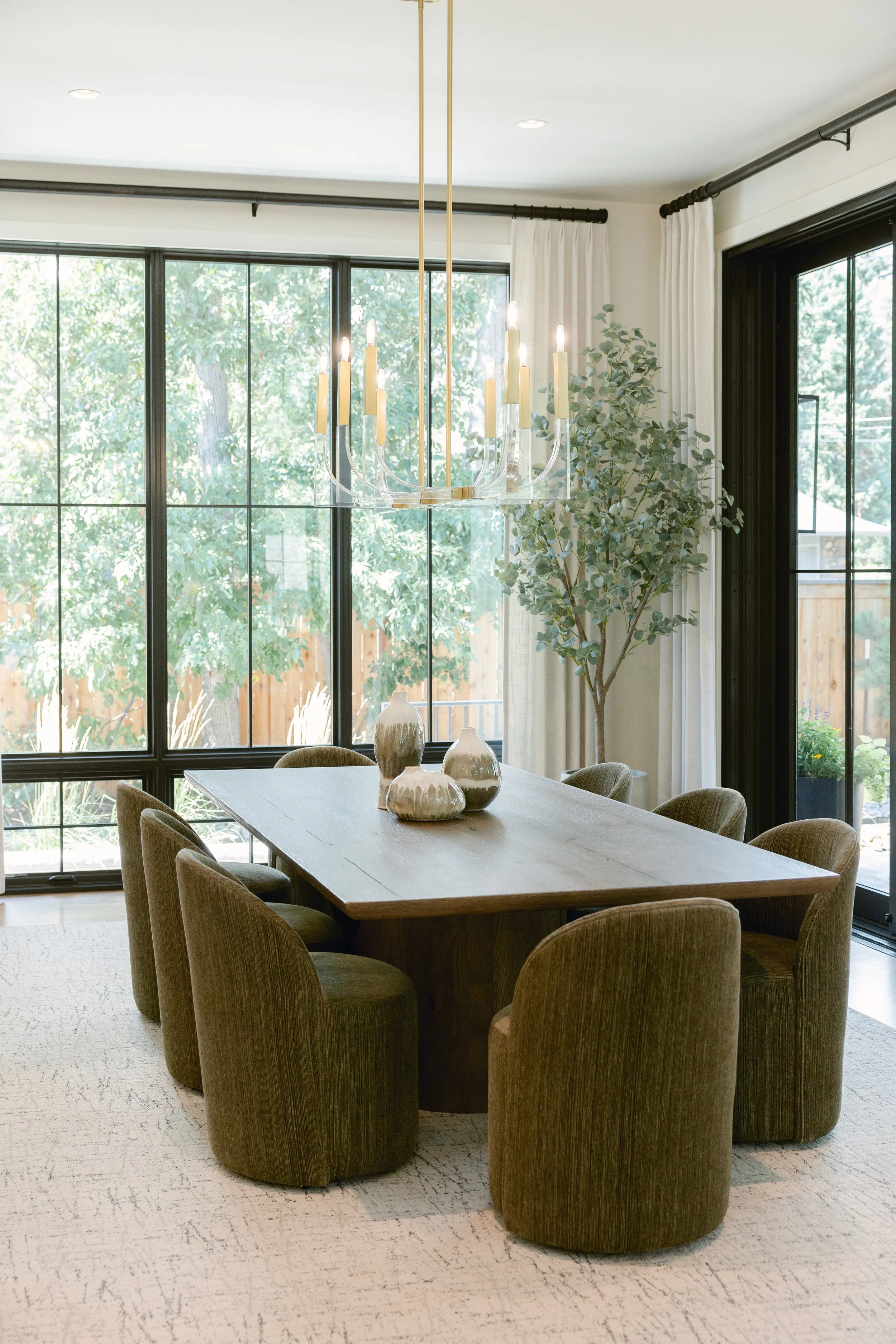
A dining room isn't simply a table and chairs. A bedroom isn't simply a bed. And an entry isn't complete because it has a console.
When we establish a furnishing budget, we consider the entire composition of each space.
That distinction matters because homeowners can otherwise spend heavily on a few major pieces and discover that there isn't enough left in the budget for the layers that make the room work.
What Should You Budget by Room?
There isn't one universal number that applies to every home. Instead, it helps to think in investment tiers.
For example, the framework could look like this:
Space
Foundational
Elevated
Highly Customized
The point of these tiers isn't to prescribe what someone “should” spend. They're a planning tool.
A client might prioritize an elevated great room and primary bedroom while taking a more foundational approach in guest rooms. Another homeowner may want custom furnishings throughout the entire home.
The right budget should reflect how you live and where quality, customization and longevity matter most to you.
What Changes the Cost of Furnishing a Whole Home?
Square footage matters, but it isn't the only factor.
A large room may require multiple seating zones, larger rugs and appropriately scaled furniture. A smaller room might call for a custom piece because standard dimensions don't work.
Material and construction quality also make a significant difference. Upholstery fabric, cushion construction, wood species, finishes and handcrafted details all affect price.
Customization adds another variable. A made-to-order sectional designed for a particular floor plan is a different investment than an in-stock sofa. The same applies to custom window treatments, casegoods, rugs and other pieces selected specifically for the home.
And then there is the level of completion.
If your goal is a home that feels genuinely finished rather than simply furnished, the budget has to account for the layers that create that feeling.
The Costs Homeowners Often Forget
This is where whole-home furniture budgets most often become unrealistic.
Freight
Furniture doesn't arrive at your home for free simply because you've purchased it.
Depending on the manufacturer, size and origin of a piece, freight charges can be meaningful—especially across an entire home's worth of furnishings.
Receiving and Inspection
In full-service design, furniture typically shouldn't travel from multiple manufacturers directly to the client's front porch.
Pieces are received at our warehouse, documented and inspected so damage or discrepancies can be identified before installation day.
This is one of the behind-the-scenes services clients may not initially think about, but it can prevent a considerable amount of frustration.
Delivery, Assembly and Installation
Getting a dining table into a room is one thing. Receiving an entire home's furnishings from multiple vendors and installing them cohesively is something else.
A coordinated installation may involve delivery crews, designers and installers working together to place furniture, assemble pieces, position rugs, hang artwork and mirrors, install accessories and complete the styling.
The goal is not simply to get products through the door. It's to execute the design correctly.
Window Treatments
Window treatments are one of the most frequently underestimated categories.
They affect privacy and light control, but they also contribute significantly to the architecture and softness of a room.
Custom shades or drapery require fabric, lining, hardware, fabrication, measurement and professional installation. Across a whole home, that becomes an important budget category of its own.
Art and Accessories
Artwork, mirrors, pillows, throws, decorative objects and other finishing pieces can seem optional during initial budgeting.
Visually, they're anything but insignificant.
They provide proportion, texture, personality and the final layer that helps a house feel lived-in rather than staged with furniture.
Why Scale Matters as Much as Price
One expensive piece doesn't automatically make a room successful.
One of the biggest differences between furnishing individual rooms yourself and developing a whole-home plan with a designer is that each purchase is evaluated as part of a larger composition.
A sofa has to relate to the chairs beside it, the rug beneath it, the coffee table in front of it and the architecture around it.
And when we're designing multiple rooms, we're thinking beyond each individual space. Materials, shapes, colors and finishes need enough continuity to make the home feel connected without making every room look the same.
This is why we prefer to establish the design direction and investment strategy before purchasing begins.
Why We Prefer to Discuss Investment Early
Talking about budget early isn't about encouraging a client to spend more.
It's about making better decisions.
When we understand the investment parameters at the beginning, we can determine where custom work makes sense, where to prioritize exceptional pieces, where we have flexibility and how to allocate the budget across the entire home.
Without that framework, purchasing can become reactive.
You fall in love with a sofa. Then a dining table. Then a bed. Individual purchases begin consuming the budget before anyone has determined what the complete home actually requires.
A thoughtful furnishing plan reverses that process.
Plan first. Prioritize second. Purchase third.
What Does a Whole-Home Furniture Budget Really Buy?
Ultimately, you're not just investing in a list of products.
You're investing in a home where the pieces are appropriately scaled, rooms relate to one another, practical requirements have been considered, orders are managed, deliveries are coordinated and the final installation reflects the original design.
That's an important distinction.
The objective isn't simply to fill a Colorado Springs home with furniture.
It's to create a home that feels complete.
Planning a Whole-Home Furnishing Project?
Modern Interior Company helps clients develop the design, investment strategy, selections, procurement and installation as one coordinated process.
Book a free discovery call to discuss your project and determine whether our full-service design approach is the right fit for your project.